Education & Resources
Understanding Endocrinology Conditions
Start here if you’re newly diagnosed or want a clearer picture of an endocrine or endocrine-related condition.
Clicking on these links will direct to external/third party sites.
Our comprehensive resources provide the tools to communicate, organize, build confidence, and advocate for your treatment and care.
Care Delivery Challenges
Living with a complex condition often means navigating more than one world of care. One provider diagnoses your disease and may recommend a treatment course. However, a different provider may be responsible for your regular check-ins. Those two conversations don’t always connect, and you’re often the one bridging them. That coordination gap is one of the most common frustrations people describe. Appointments are short, the right specialists can be hard to access, and a lot can fall through the cracks when your care team isn’t on the same page. These tools are designed to help you close that gap — so you can show up to every visit organized, communicate clearly across providers, and make sure nothing important gets lost between appointments.
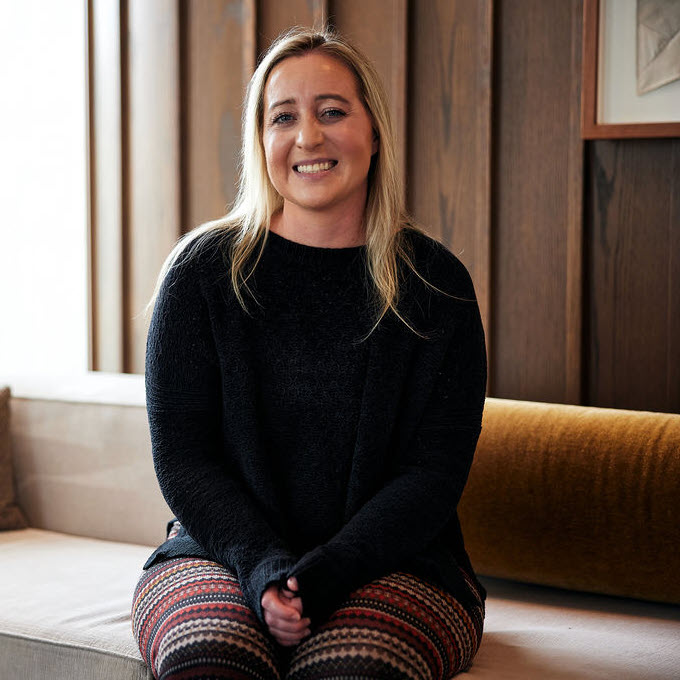
Brittany, living with congenital adrenal hyperplasia

Lesley, living with congenital adrenal hyperplasia
Resources
- Resources and services if you’re having trouble receiving a diagnosis
- Finding the right support
- Managing your disease
- Pituitary World News Educational series: Barriers and friction points patients face across diagnosis, treatment, ongoing care
- The pituitary patient resource guide
- Pituitary Centers of Excellence
- Acromegaly physicians directory
- CAH physician referrals
- Cushing’s Disease doctor finder
- NETs/Carcinoid Syndrome doctor finder
Treatment Optimization
How you’re feeling—and how your care fits into your daily life—can change over time when you’re managing an endocrine condition. As your symptoms and priorities evolve, it can be helpful to revisit your care plan with your healthcare team. These tools are designed to help you track and optimize your treatment plan.
Communicating With My Doctor
Many times, people can leave medical appointments with questions they forgot to ask or symptoms they didn’t know how to describe. These tools help you find the words, build your confidence, and make sure your voice and questions are included in the conversation.
Mental Health Support
Your condition doesn’t stay in the exam room. It follows you home, affects your relationships, and weighs on you in ways that don’t always show up in a lab test.
What makes the mental health burden of endocrine or endocrine-related conditions distinct is that it isn’t just a reaction to being sick, it’s often baked into the biology itself. Research in acromegaly has identified depression, mood swings, disrupted body image, impaired relationships, and social withdrawal as common consequences (Endocrine Abstracts), and only 30% (Oxford Academic) of people living with acromegaly rate their mental health as good or excellent during post-treatment monitoring, even when their disease is managed (Oxford Academic). Yet more than half are not receiving mental health support, often because they believe providers won’t understand what it’s like to live with a rare endocrine disease (Oxford Academic).
That gap matters: research shows that how a person copes with their illness, not their lab values or disease severity, is one of the strongest predictors of psychological quality of life (Springer.)
These tools are here to help you name what you’re feeling and figure out what kind of support would actually help.
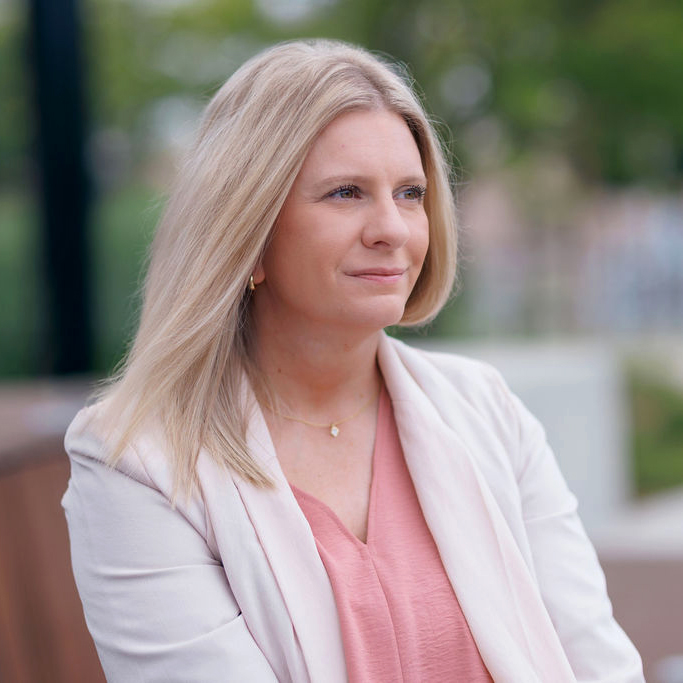
Angela, living with acromegaly
- Mental health resources for pituitary conditions
- Finding a mental health provider
- Finding a patient advocacy organization
- Rareminds: Specialist mental health and wellbeing services for the rare condition community
- Acromegaly support groups
- CAH support group
- NCAN support group
- Virtual NETs support group
- Adrenal disease support groups
Mental Health Support
Your condition doesn’t stay in the exam room. It follows you home, affects your relationships, and weighs on you in ways that don’t always show up in a lab test.
What makes the mental health burden of endocrine or endocrine-related conditions distinct is that it isn’t just a reaction to being sick, it’s often baked into the biology itself. Research in acromegaly has identified depression, mood swings, disrupted body image, impaired relationships, and social withdrawal as common consequences (Endocrine Abstracts), and only 30% of people living with acromegaly rate their mental health as good or excellent during post-treatment monitoring, even when their disease is managed (Oxford Academic). Yet more than half are not receiving mental health support, often because they believe providers won’t understand what it’s like to live with a rare endocrine disease (Oxford Academic).
That gap matters: research shows that how a person copes with their illness, not their lab values or disease severity, is one of the strongest predictors of psychological quality of life (Springer.)
These tools are here to help you name what you’re feeling and figure out what kind of support would actually help.
- Mental health resources for pituitary conditions
- Finding a mental health provider
- Finding a patient advocacy organization
- Rareminds: Specialist mental health and wellbeing services for the rare condition community
- Acromegaly support groups
- CAH support group
- Virtual NETs support group
- Adrenal disease support groups
Insurance & Reimbursement
Managing insurance paperwork can sometimes feel overwhelming. Whether you’re trying to find a specialist or dealing with a prior authorization or coverage denial, these tools can help you stay organized so you can best advocate for yourself.
- Health insurance guide for rare disease patients
- Resources for organizing care and insurance documents
- Understanding your healthcare coverage
- Choosing the right healthcare plan
- Patient Assistance Programs
- Rare Disease Policy & Advocacy
- CAH insurance resources
- Acromegaly: CrinetiCARE treatment hub
- Acromegaly Patient assistance programs
- Carcinoid Syndrome / NETs financial resources
- Cushing’s disease financial assistance
Digital Learning Opportunities and Resources
Stay tuned for a variety of digital learning opportunities, such as webinars and newsletters.
Stay in the Loop
Sign up to get updates on resources, upcoming meetings, and new ways to get involved — on your schedule, at your pace.